
30 x 30 — Protecting at least 30% of the ocean by 2030
Today, approximately 3% of the global ocean is protected in marine protected areas that have strong enough regulations to safeguard biodiversity. Marine Conservation Institute uses the latest science to guide our mission of protecting at least 30% of the ocean by 2030.
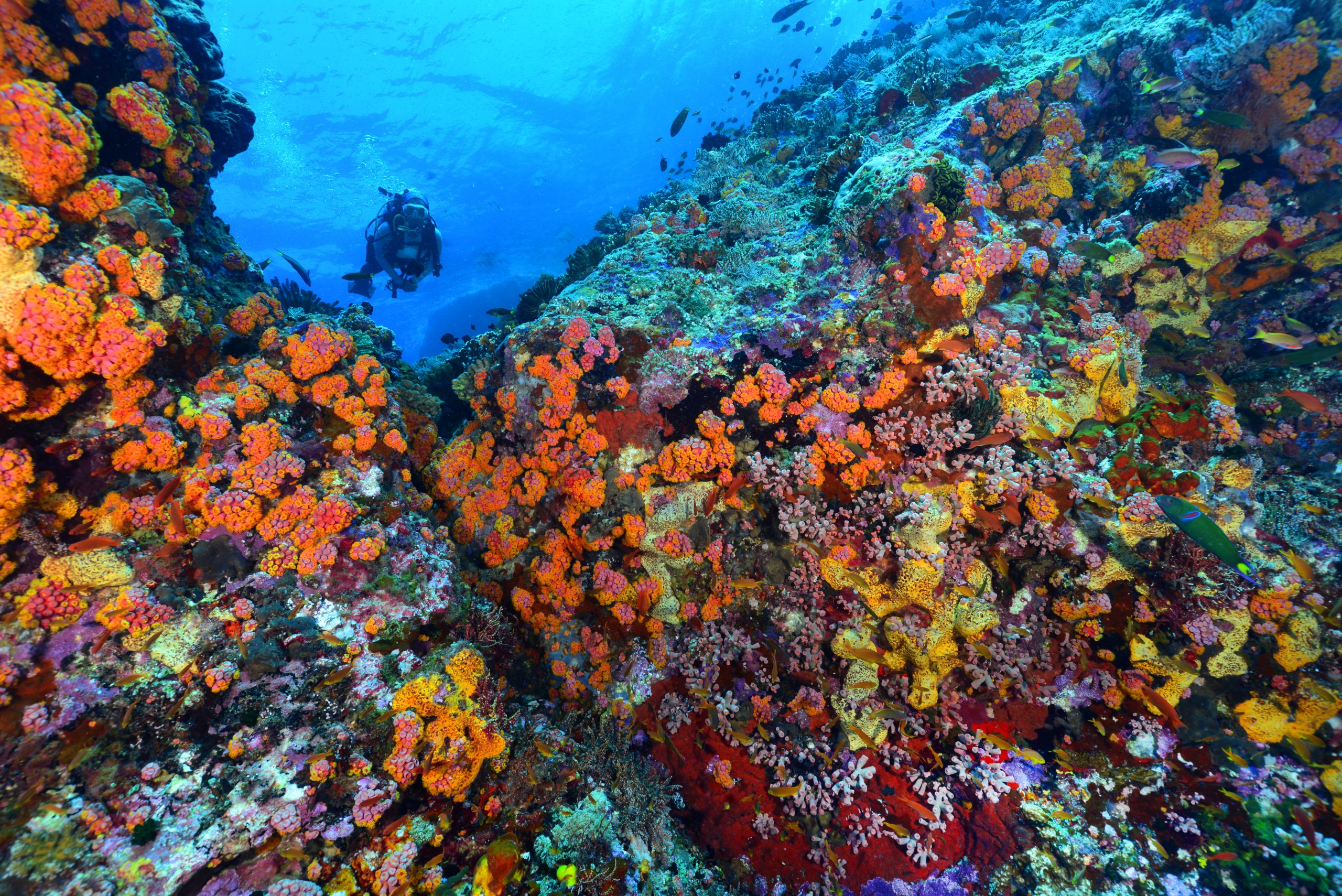
From kelp forests as tall as redwood trees to warm-water sanctuaries where enormous whales give birth, ocean places rival the grandeur and diversity of familiar national parks. Submarine canyons, like Monterey Canyon, are equal to the wonder or the Grand Canyon. Hawaii's northwestern islands are an iconic seascape that shines as bright as Yellowstone National Park. Just as parks on land are held in trust and set aside for the greater good of all citizens, marine protected areas (MPAs) are underwater refuges where the beauty and health of marine ecosystems can be preserved on our quickly changing planet.
Research clearly demonstrates that MPAs are a simple and effective way to sustain marine biodiversity and build resilience. Marine protection works. Well-managed MPAs can reverse the effects of overfishing, strengthen fragile coral communities, and protect ourselves and our neighbors--locally and globally--from rising sea levels and strengthening storm systems.
At a time of accelerating climate change, dwindling fisheries, and encroaching sea levels that threaten the 3.5 billion people that live in coastal areas, Marine Conservation Institute joins a chorus of scientists who advocate for safeguarding the world’s oceans through well-managed Marine Protected Areas. Time is not on our side and there is an urgent need to accelerate protection for at least 30% of the ocean by 2030.
Join us in advocating for 30% protection by 2030. Donate to make our oceans healthier for us and future generations.
Protecting the High Seas: Ensuring Strong, Effective MPAs Under the BBNJ Agreement
Article Protecting the High Seas: Ensuring Strong, Effective MPAs Under the BBNJ Agreement By Elle Bent | December 17, 2025 Exactly one month from today, on January 17, 2026, the UN agreement on the conservation of biodiversity beyond national jurisdiction, or BBNJ Agreement (also referred to as the High Seas Treaty), will enter into force…

Marine Conservation Institute Appoints José Escaño Roepstorff as Global Development Director to Scale Ocean Protection for 2030 Horizon
Article photo: Adam Moore By Marine Conservation Institute | December 10, 2025 Marine Conservation Institute is thrilled to welcome José Escaño Roepstorff as our new Global Development Director. A Balearic-born ocean strategist and former marine biologist, José brings a unique blend of scientific grounding and entrepreneurial leadership, shaped by years of working at the intersection…
Marine Conservation Institute Introduces Updated Blue Park Standard, Strengthening Global Expectations for Effective Marine Protection
News Release Marine Conservation Institute Introduces Updated Blue Park Standard, Strengthening Global Expectations for Effective Marine Protection By Marine Conservation Institute | November 26, 2025 Marine Conservation Institute announces the updated Blue Park Standard for Effective Ocean Conservation, a comprehensive, science-backed guide designed to help marine protected areas (MPAs) achieve real conservation success. The Blue Park…